
June 3, 2025 The updated 1.4.0 release of the kidney.epi R package — a curated…
On November 5, 2026, I had the opportunity to deliver a presentation entitled “CKD of (un)known etiology: how it can be prevented across countries and what we can do through advocacy” at the International Society of Nephrology (ISN) Advocacy Group meeting, as a member of the Group, and representing Scientific-Tools.Org, a consultancy specializing in public health research and data analysis.
The presentation highlighted important gaps in our understanding of CKDu epidemiology, the need to better identify affected communities through careful analysis of existing data, and opportunities for prevention. A central message was that CKD prevention must extend beyond kidney care, addressing environmental exposures, occupational conditions, safe drinking water, that is possible only through stronger collaboration between health, agricultural, environmental, and social sectors.
You can explore the presentation slides with the accompanying speech transcript below, download the PowerPoint presentation, and access the DOI-registered publication for reference and citation.
Thank you very much for the invitation and for the opportunity to share some fresh perspectives on chronic kidney disease of unknown etiology, or CKDu, as well as some thoughts on how we can strengthen our advocacy efforts.
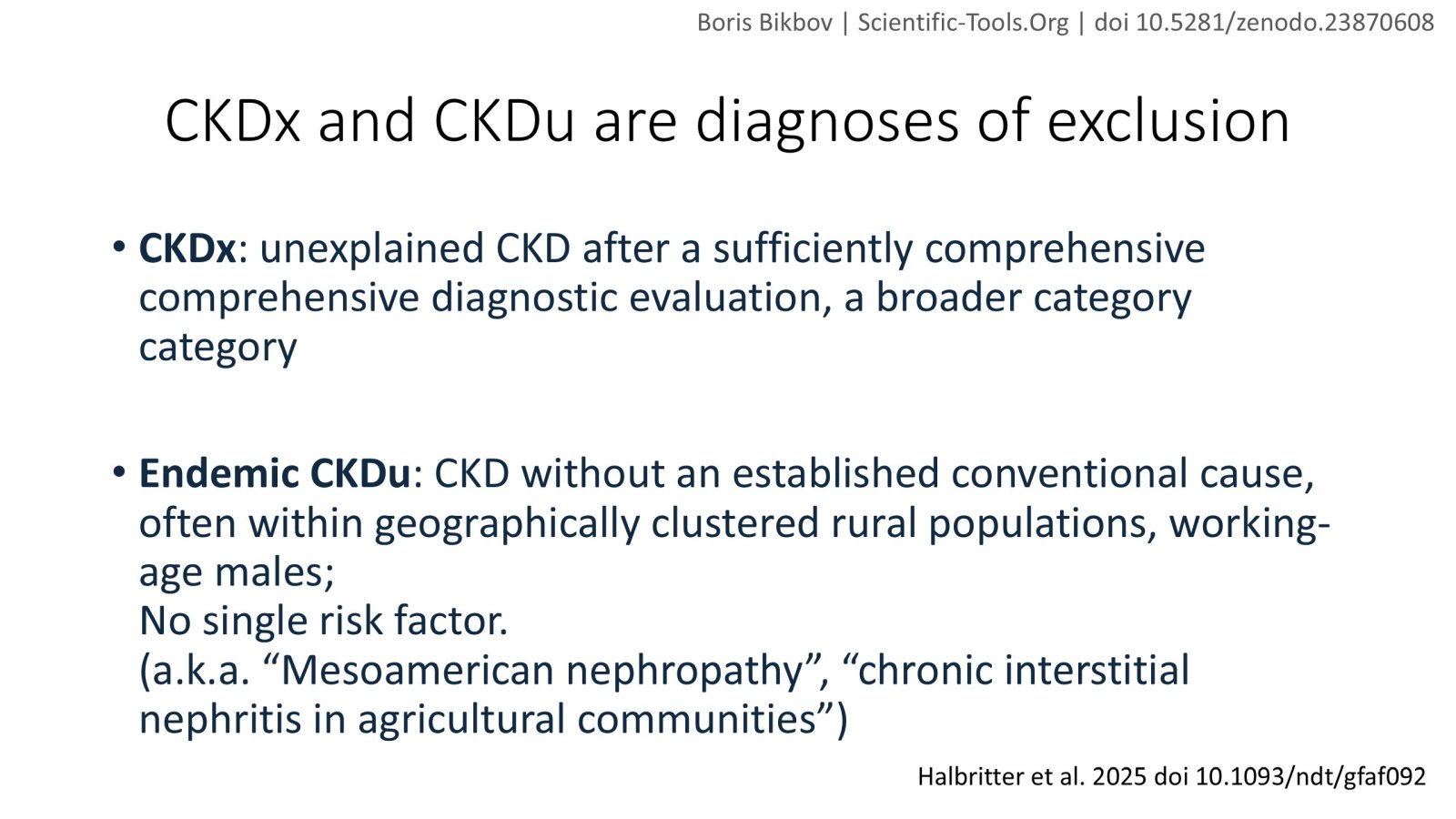
We know that both unexplained CKD and CKD of unknown etiology are diagnoses of exclusion. Endemic CKDu is typically characterized by geographic clustering in rural communities, often affecting working-age men, without a single clearly established causative factor.
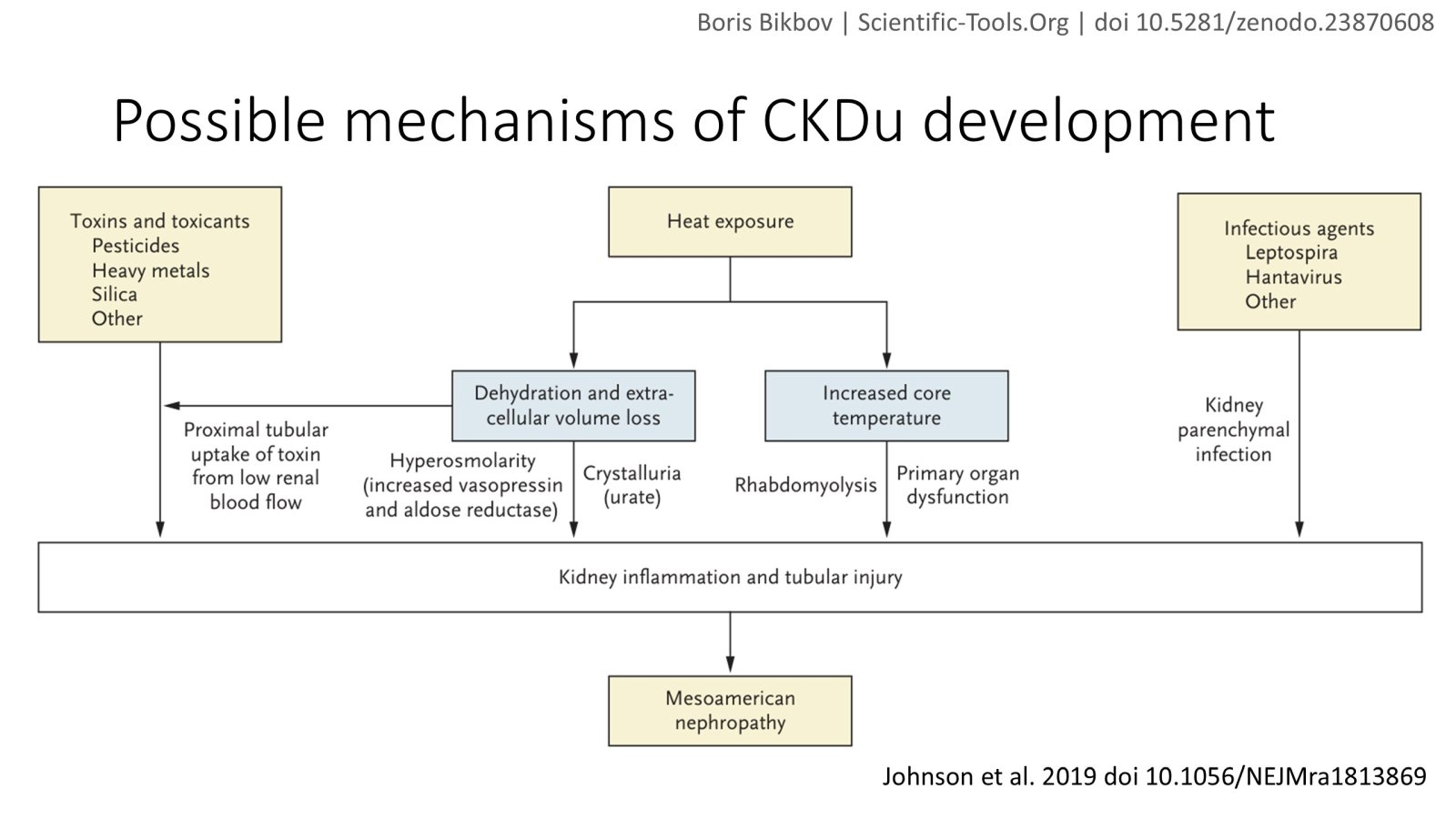
Here, you can see an overview of the different concepts and potential risk factors that may contribute to the development of CKDu.
I would now like to highlight several important limitations in our current understanding of CKDu epidemiology, particularly the methodological challenges that may affect how we identify and estimate the burden of this condition.
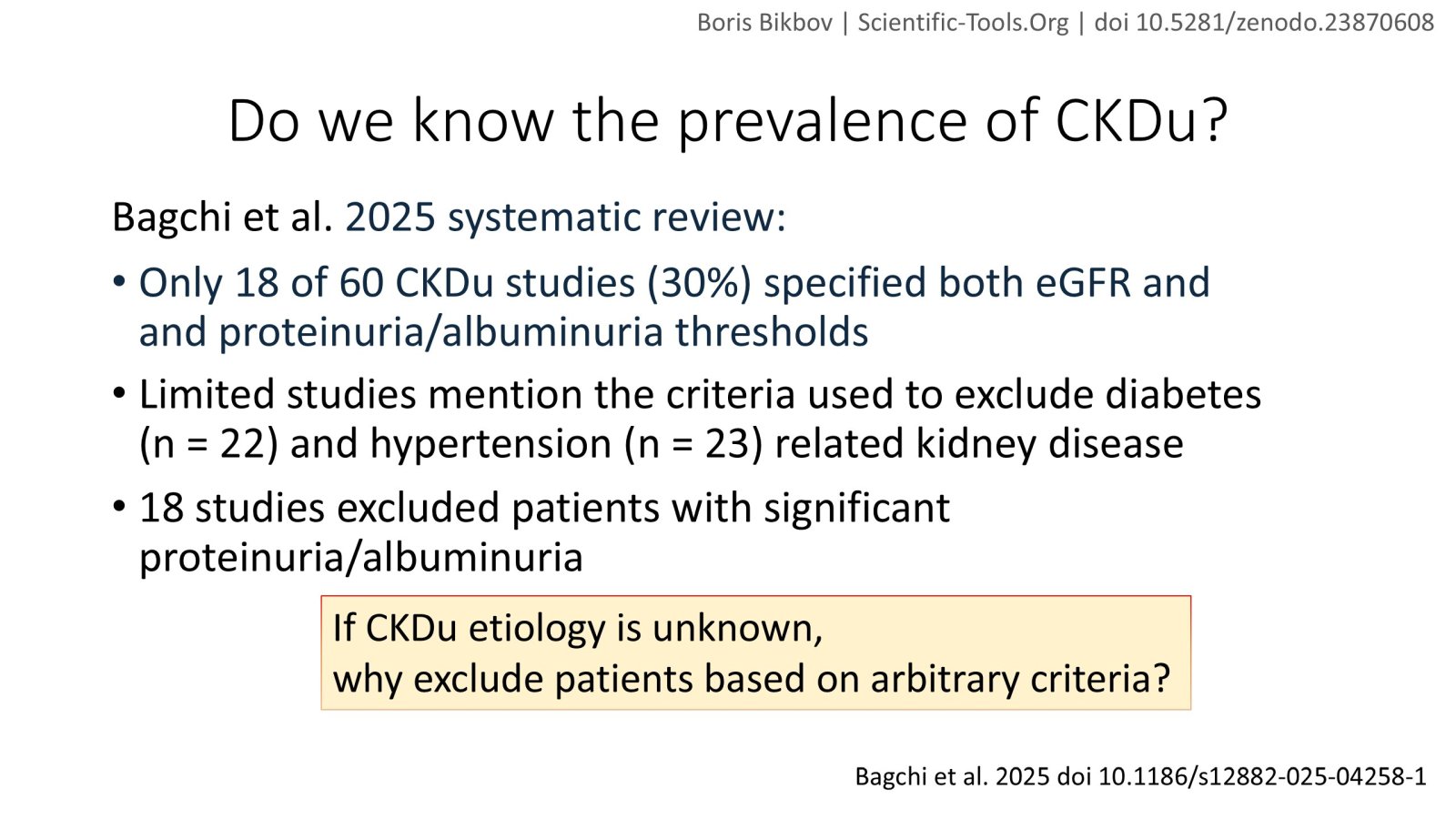
A recently published systematic review found that only about one-third of CKDu studies clearly specified the eGFR and albuminuria thresholds. Many studies did not report the exact criteria used to exclude diabetes and hypertension. Furthermore, almost one-third excluded patients with significant albuminuria or proteinuria. But this raises a fundamental question: If we do not know the etiology and pathogenesis of CKDu, how can we justify excluding certain patients based on an arbitrary criteria? Such exclusions may lead us to underestimate the true burden of kidney disease in affected communities and may prevent us from recognizing the full spectrum of its clinical manifestations.
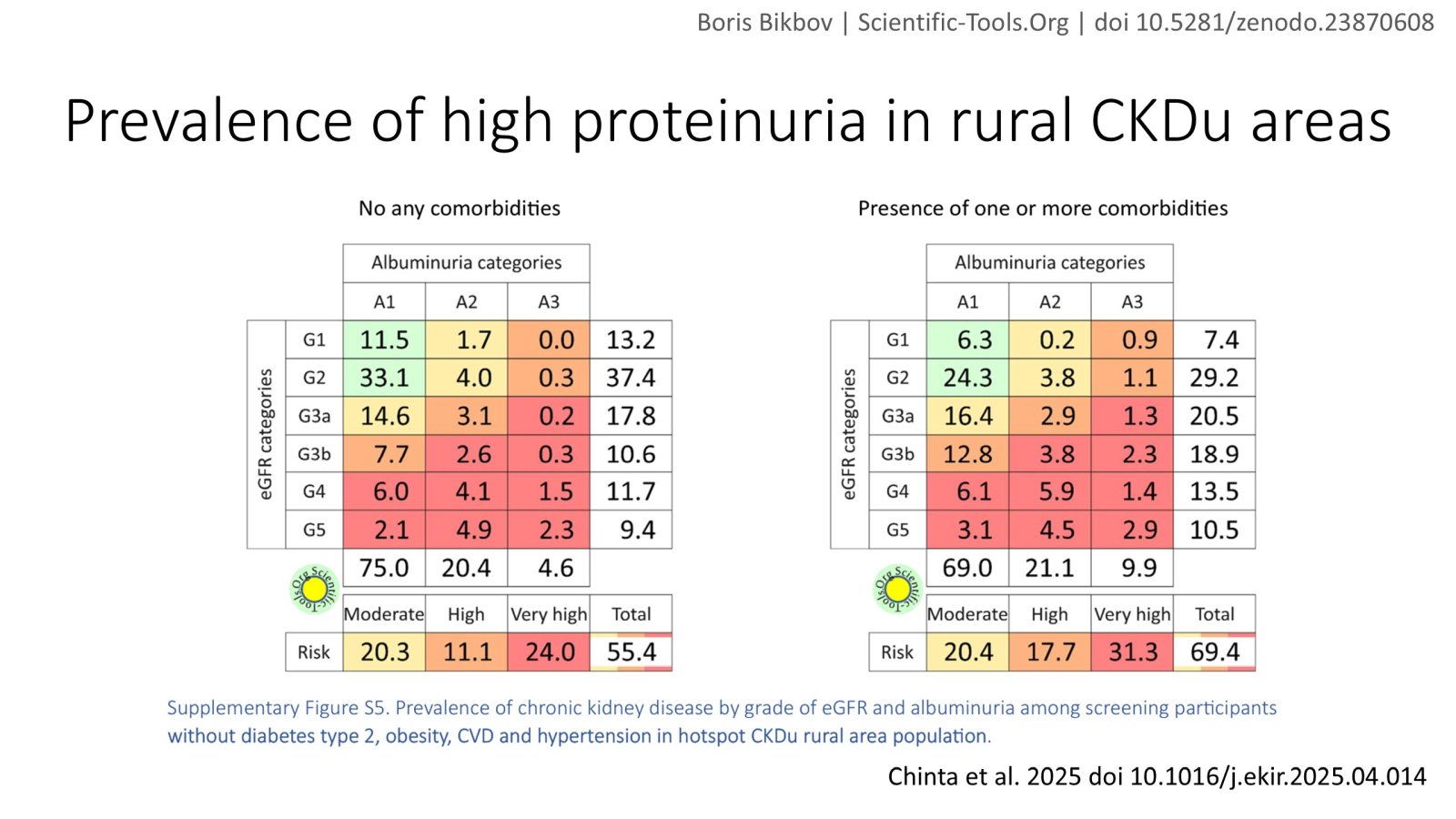
Here, I present data from our paper on screening study conducted in India. On the left, you can see that among individuals living in rural CKDu hotspot areas, without major comorbidities, almost 5% of those attending public primary healthcare centers had grade A3 albuminuria. These individuals cannot simply be excluded from our analysis because they do not fit a predefined concept of CKDu. If we exclude them, we may overlook an important phenotype trait of kidney disease in these communities.
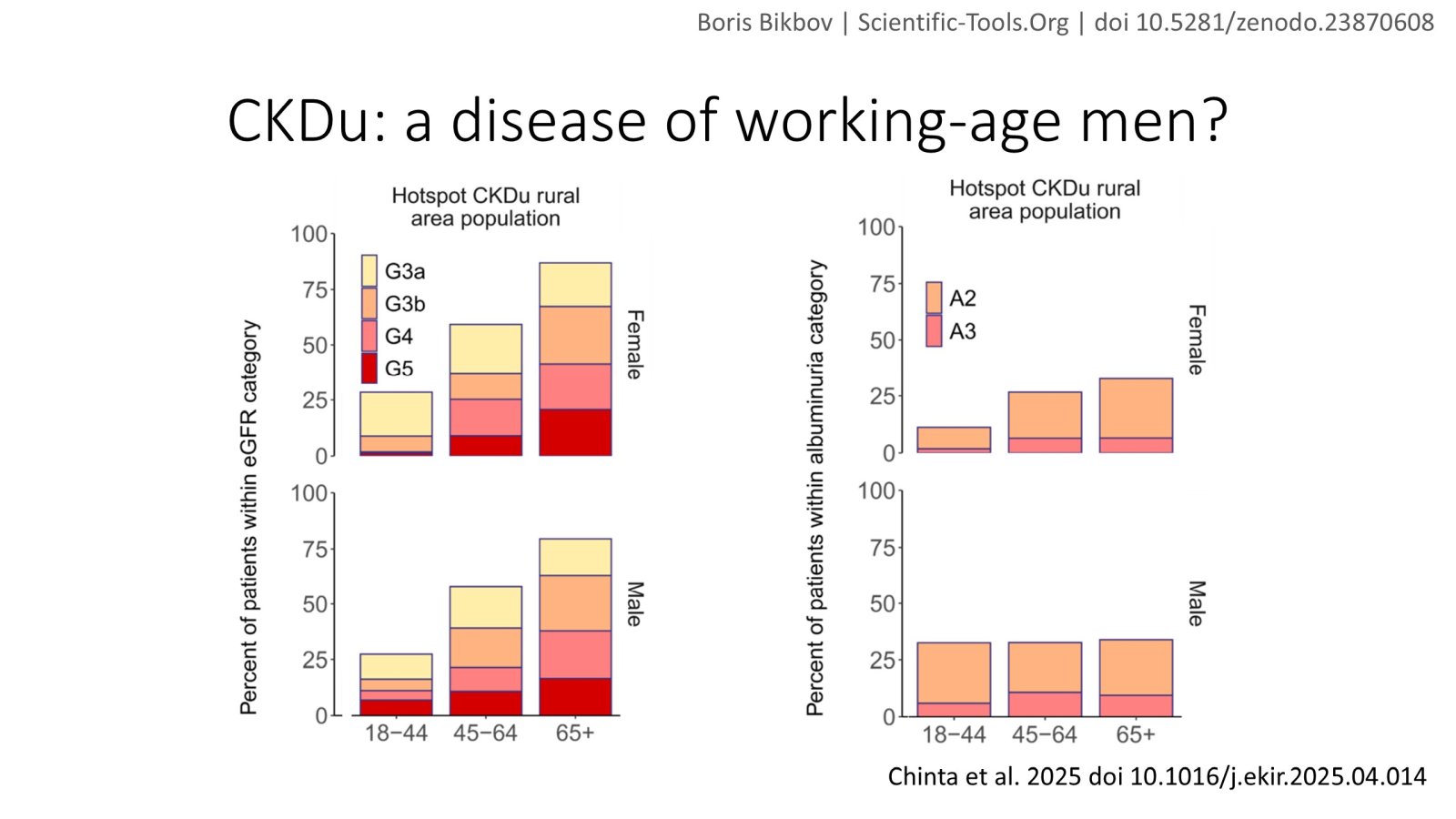
I would also like to challenge the traditional concept that CKDu is predominantly a disease of working-age men. At least in some geographic locations, this may not be the case. As you can see from the same study in India, the prevalence of reduced eGFR among women and men in rural CKDu hotspot areas was remarkably similar.
This suggests that our understanding of the populations affected by CKDu may be too narrow, and that we should pay greater attention to women and other groups living in endemic communities.
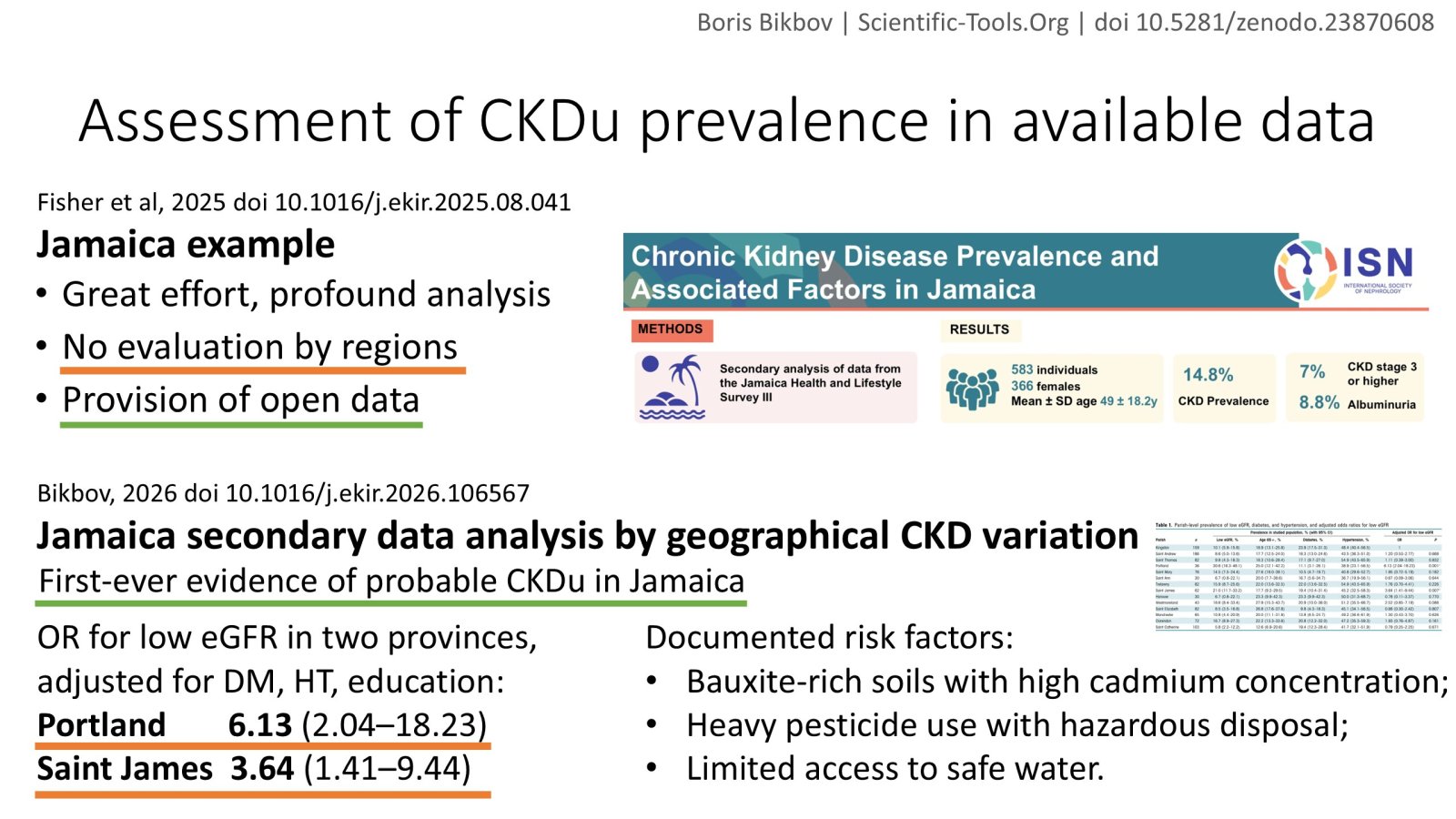
I would now like to highlight the importance of analyzing nationwide data at the regional level, using Jamaica as an example. These researchers conducted a well-designed nationwide public health survey. However, they did not analyze the geographic distribution of CKD prevalence by region. Importantly, they made their data openly available, following the best research practices.
Using these publicly available data, I performed an additional regional analysis and identified what may be the first evidence of probable CKDu in Jamaica. In two parishes (provinces), the odds of reduced eGFR were approximately threefold and sixfold higher than in the rest of the country, even after adjustment for diabetes, hypertension, and selected socioeconomic factors. Importantly, these same regions have documented environmental risk factors, including markedly elevated cadmium concentrations, intensive pesticide use, and limited access to safe drinking water in some communities. While these findings do not establish causality, they indicate the need in further investigation.
We cannot afford to overlook geographic differences in CKD prevalence. Regional analyses may reveal previously unrecognized hotspots and help us identify communities that require more focused epidemiological and environmental investigations.
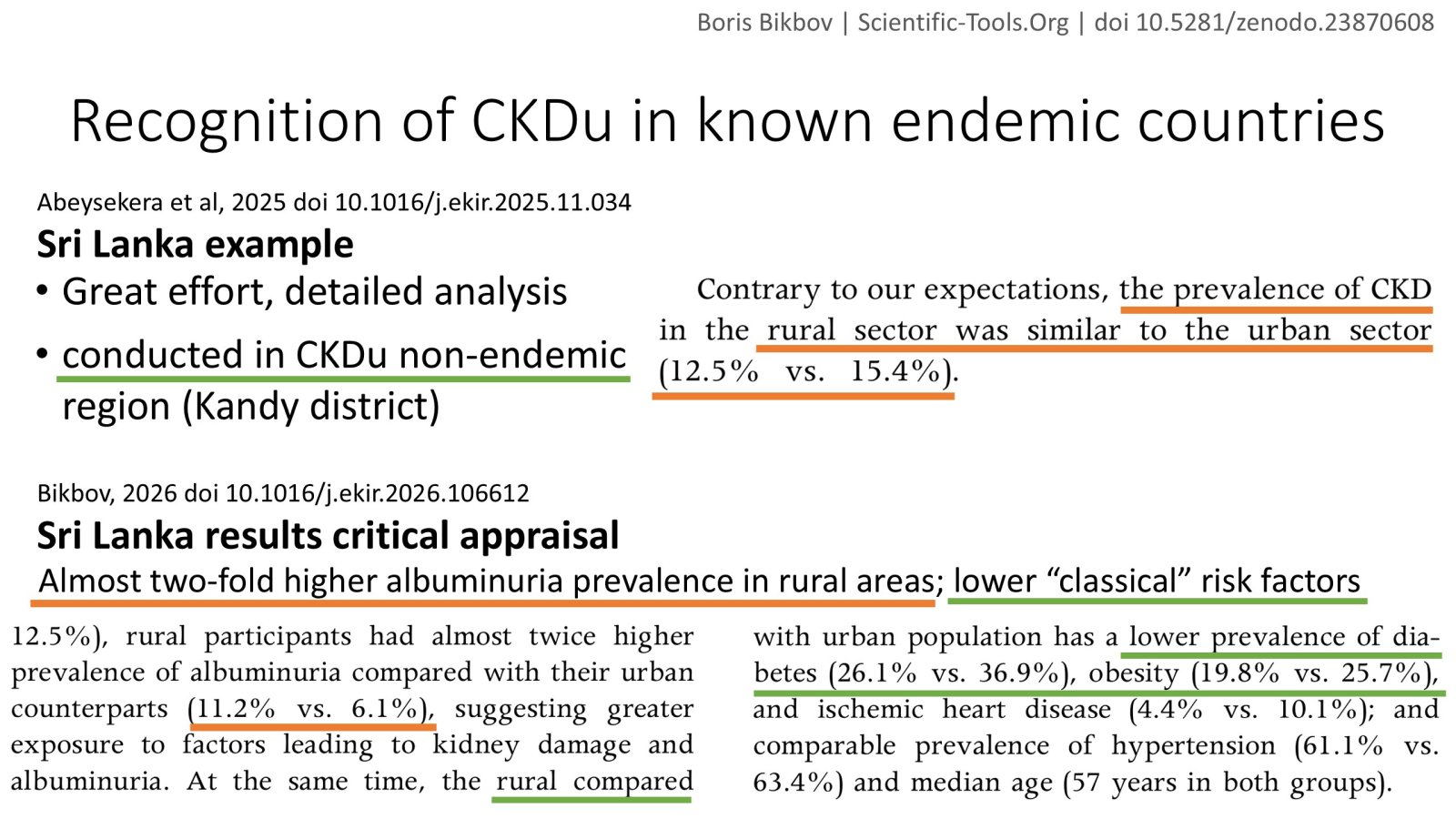
Here is another example, this time from Sri Lanka. Sri Lanka is well known for its CKDu hotspots, particularly in certain north and south regions. However, this study was conducted in a region not traditionally considered endemic. The authors concluded that CKD prevalence was similar in rural and urban populations.
But when I examined the published data more closely, I noticed a contradiction: the prevalence of albuminuria in the rural population was almost twice higher that observed in the urban population, despite a substantially lower prevalence of traditional CKD risk factors. This raises an obvious question: Could this represent another, previously unrecognized CKD hotspot? I subsequently published a commentary highlighting this discrepancy.
And I want to emphasize that the purpose of my analyses is not to criticize other researchers. The true scope is to draw attention to communities whose kidney disease burden may otherwise remain unrecognized. Because if a problem is not identified, it will not be adequately addressed.
This is why I believe we should make much better use of the data we already have, particularly to identify geographic patterns and unexpected increases in CKD prevalence that cannot be readily explained by traditional risk factors.
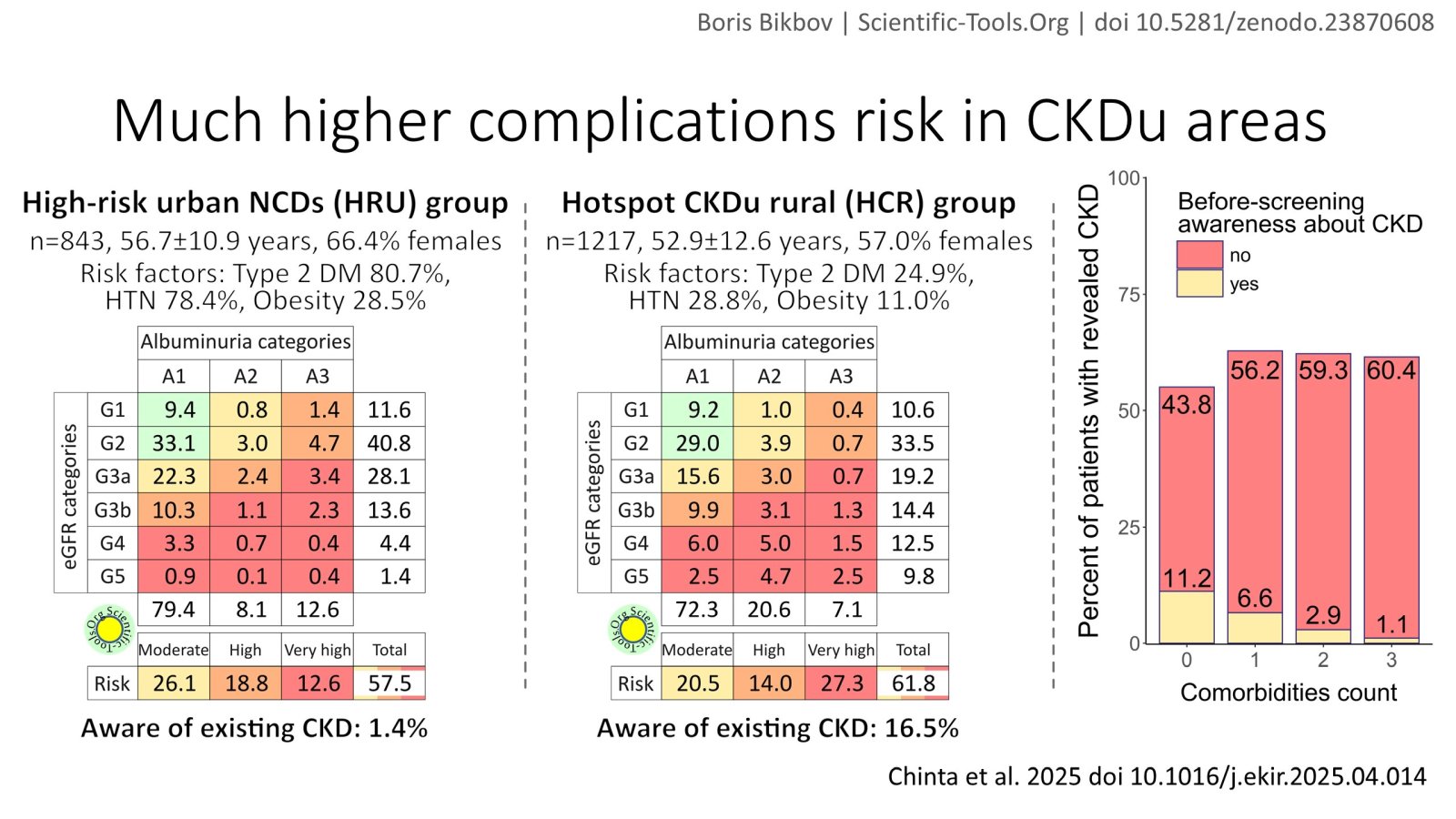
This slide illustrates why the way we present epidemiological data matters so much. Here, we return to our study from India. On the left, you can see the urban population, and in the middle, the rural population. At first glance, the overall prevalence of CKD appears remarkably similar, at approximately 60% among individuals attending these primary healthcare centers.
However, when we examine the distribution of kidney risk categories, a very different picture emerges. In rural CKDu hotspot areas, almost one-third of individuals fall into the very-high-risk category, compared with a substantially smaller proportion in urban areas. So, even when overall CKD prevalence appears similar, the severity and risk distribution may differ dramatically.
Looking only at total prevalence can conceal important differences in disease burden.
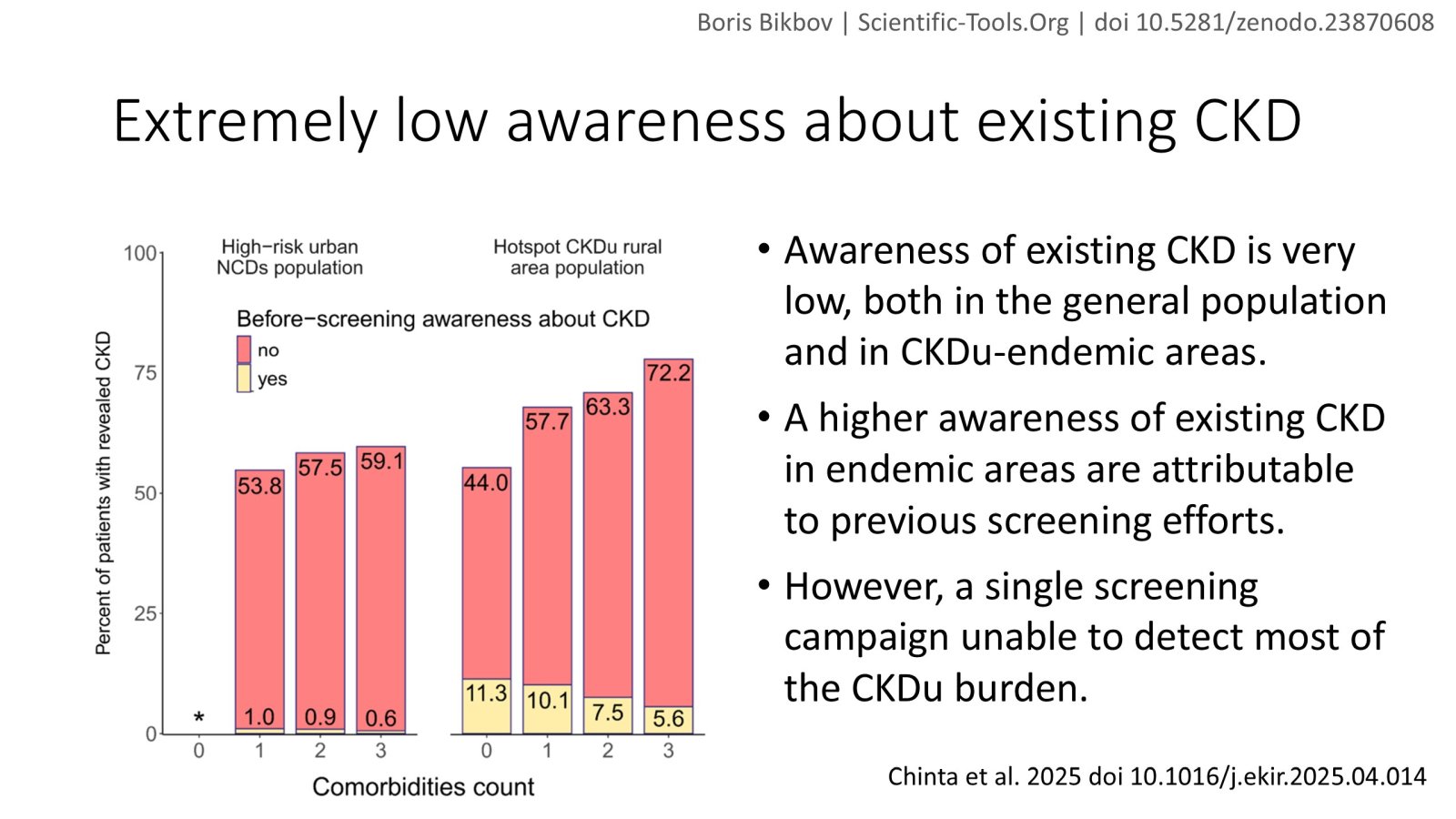
Another major concern is the extremely low awareness of existing CKD. As you can see, awareness remains very low among individuals who already have CKD. This is true in both urban settings and rural CKDu hotspot areas.
The somewhat higher awareness observed in endemic rural areas appears to be related to previous screening campaigns. However, these numbers also suggest that a single screening campaign is not enough to identify most individuals affected by CKD. We therefore need sustained continuous screening where appropriate, longitudinal follow-up, and better integration of kidney health into primary healthcare services.
I would now like to turn to perhaps the most important question: prevention. We often emphasize that the etiology of CKDu remains unknown. However, we already have evidence that certain preventive interventions may reduce kidney injury in populations at risk.
This is an important distinction. We may not yet fully understand the underlying mechanisms, but that should not prevent us from implementing measures that are already supported by evidence.
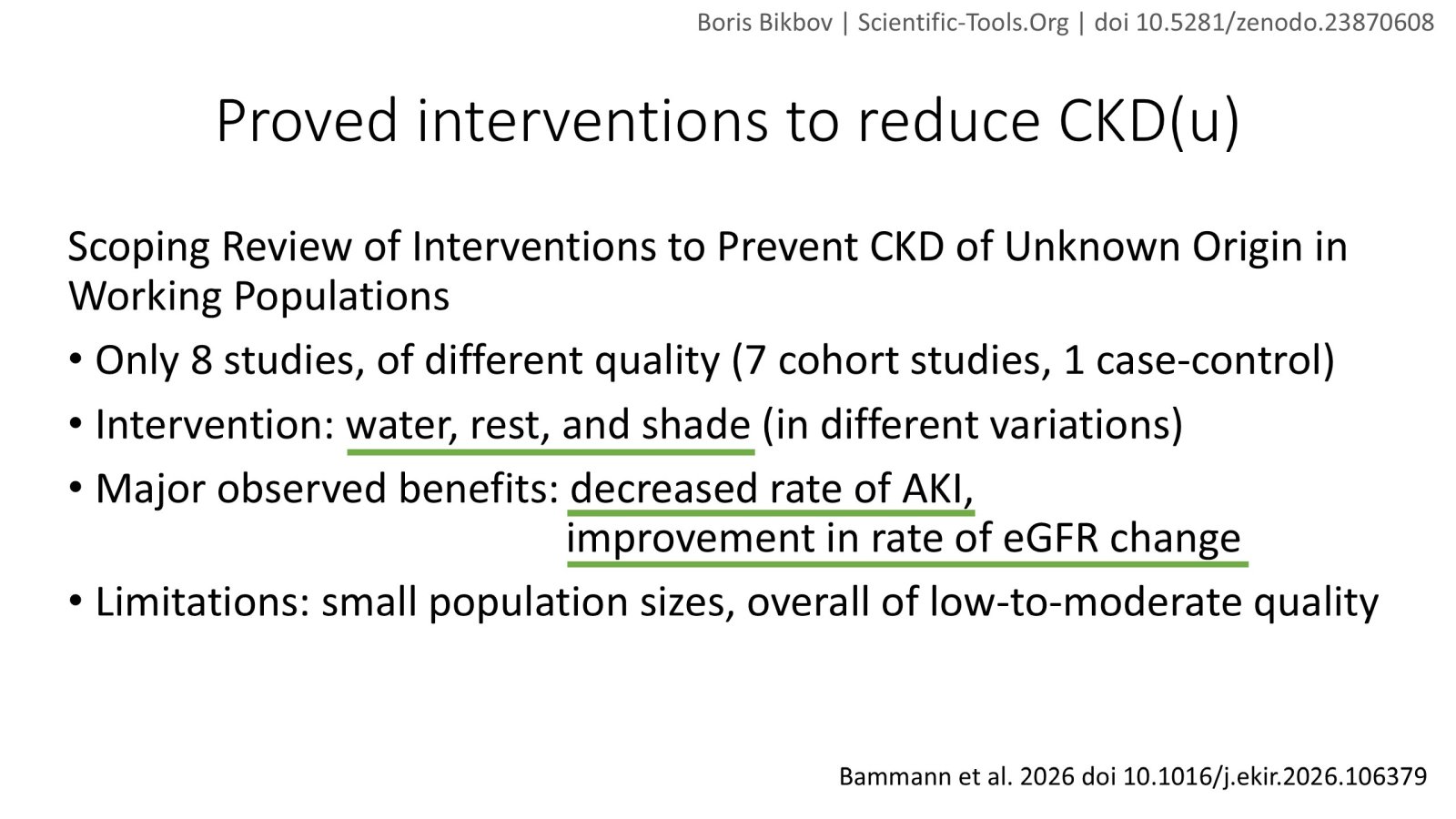
A recently published scoping review analyzed eight studies evaluating interventions such as improved access to drinking water, scheduled rest periods, and shade for agricultural workers. The findings suggest that these interventions can reduce the incidence of acute kidney injury and may help slow the decline in kidney function. This represents an important achievement for the researchers, healthcare professionals, workers, and communities involved. But these findings and interventions should be extended to the other regions and farmer communities.
We need to translate this evidence into practical preventive strategies and evaluate their implementation in other CKDu hotspot areas.
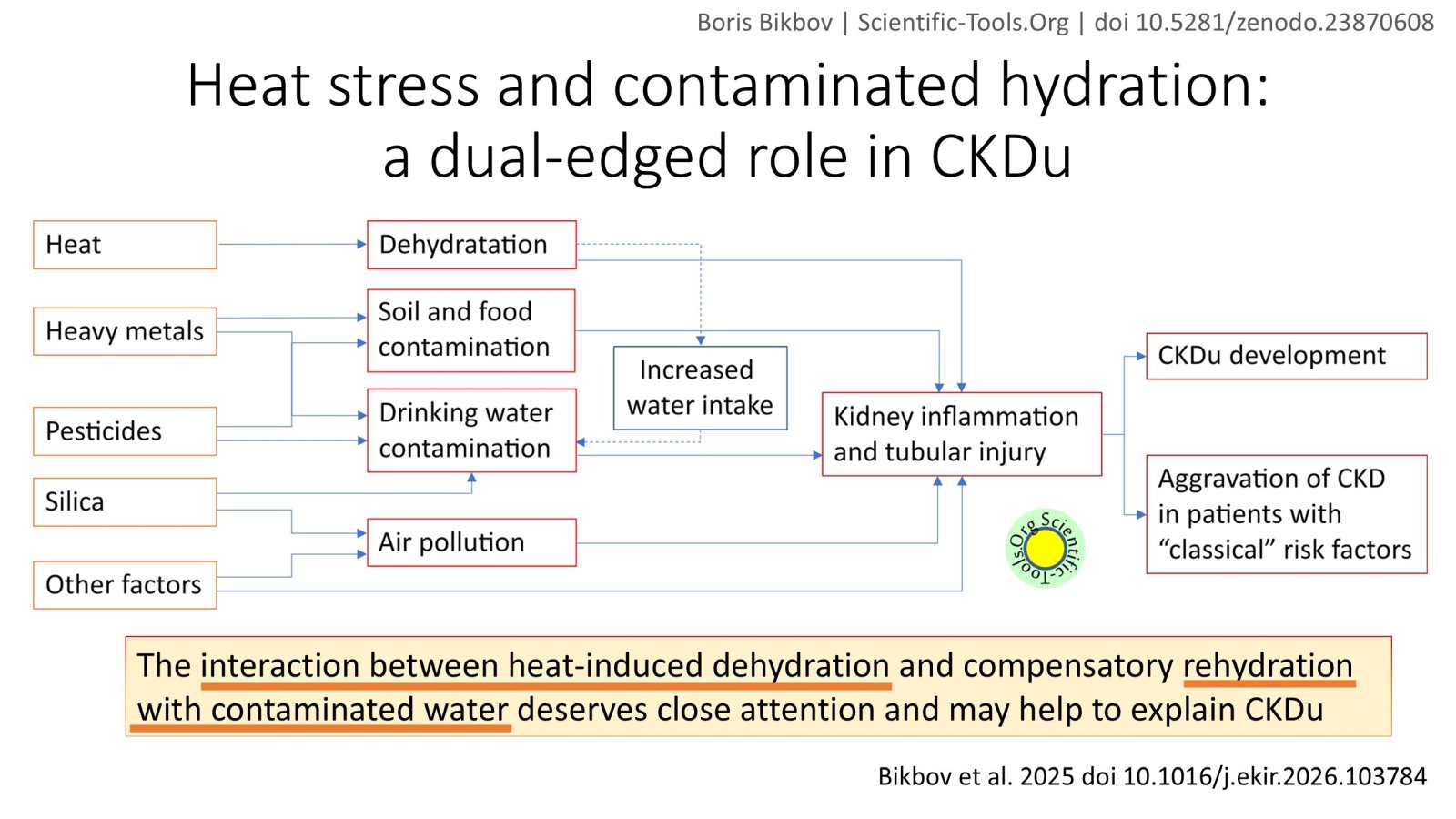
Here, I would like to emphasize the importance of drinking water quality. Heat stress and dehydration are considered potential contributors to kidney injury in agricultural workers. Adequate hydration is therefore an essential preventive measure. However, we must also consider the safety of the consumed water.
If drinking water is contaminated with pesticides, heavy metals, silica, or other potentially nephrotoxic substances, increased water consumption may also increase exposure to these contaminants. And this can contribute to tubular injury, inflammation, and progressive kidney damage.
Importantly, these environmental risks may affect not only individuals with CKDu, but also patients with CKD of known etiology who live in the same communities. This means that safe drinking water is not simply an occupational health intervention. It is a fundamental public health priority for the entire population.
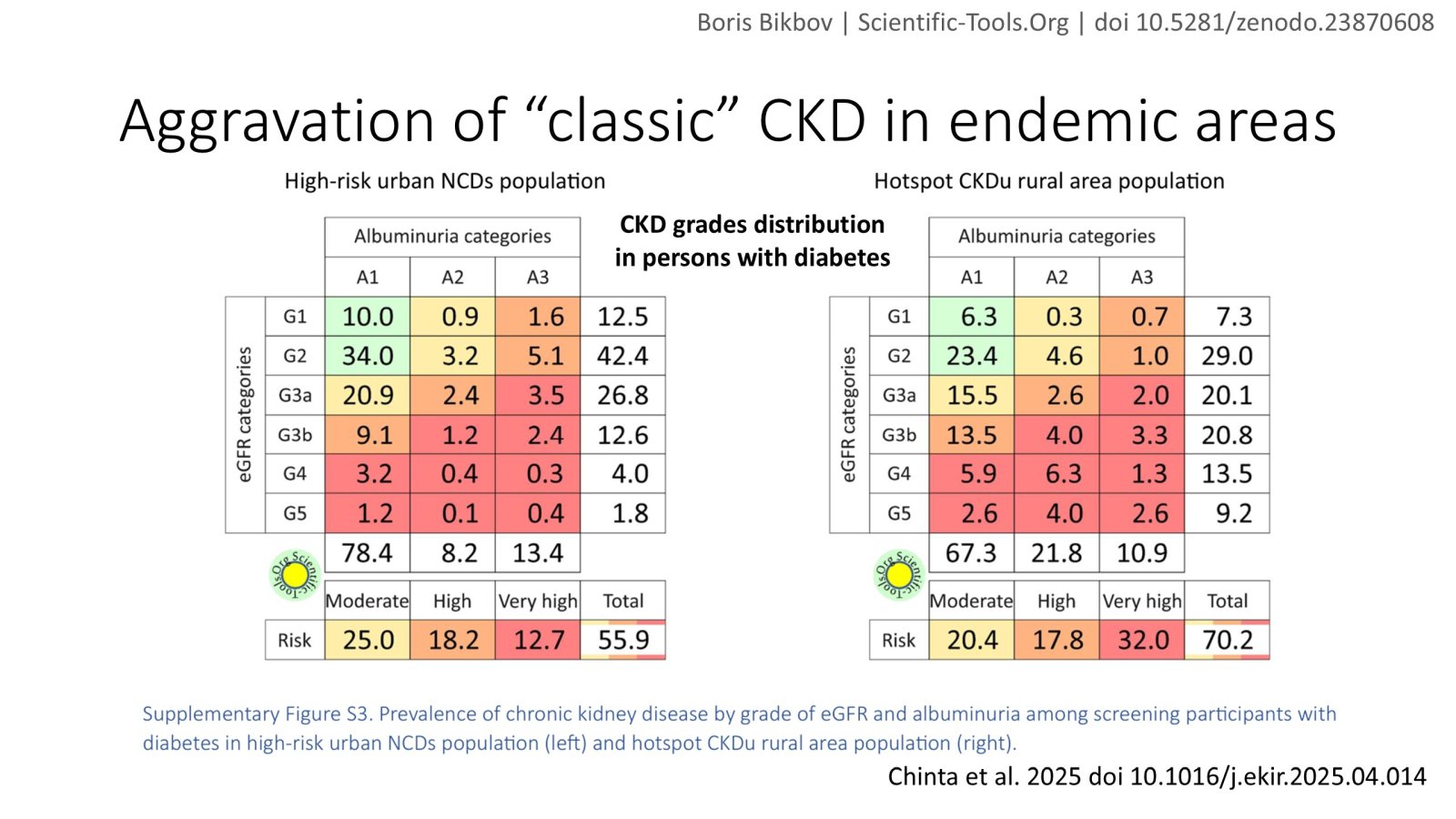
Here, we return once again to our data from India, this time focusing on individuals with diabetes. In rural CKDu hotspot areas, the prevalence of significant albuminuria among people with diabetes was considerably higher than in urban areas, 70% vs. 56%. Even more importantly, almost one-third of individuals with diabetes in these rural areas were classified as being at very high risk of kidney and cardiovascular complications, compared with approximately 13% in the urban population.
These findings suggest that environmental and occupational conditions may also contribute to the burden or progression of kidney disease among individuals with established traditional risk factors, like diabetes or hypertension. Of course, further studies are needed to clarify these relationships.
Nevertheless, the broader message has important consequences: When we discuss CKDu prevention, we should not focus exclusively on agricultural workers or on individuals with established CKDu. We must consider the kidney health of entire communities living in these environments.
I would now like to conclude by emphasizing that CKD of known or unknown etiology is not merely a medical problem. In many affected communities, it is primarily an environmental, occupational, engineering, and social challenge – that requires coordinated advocacy and prevention efforts.
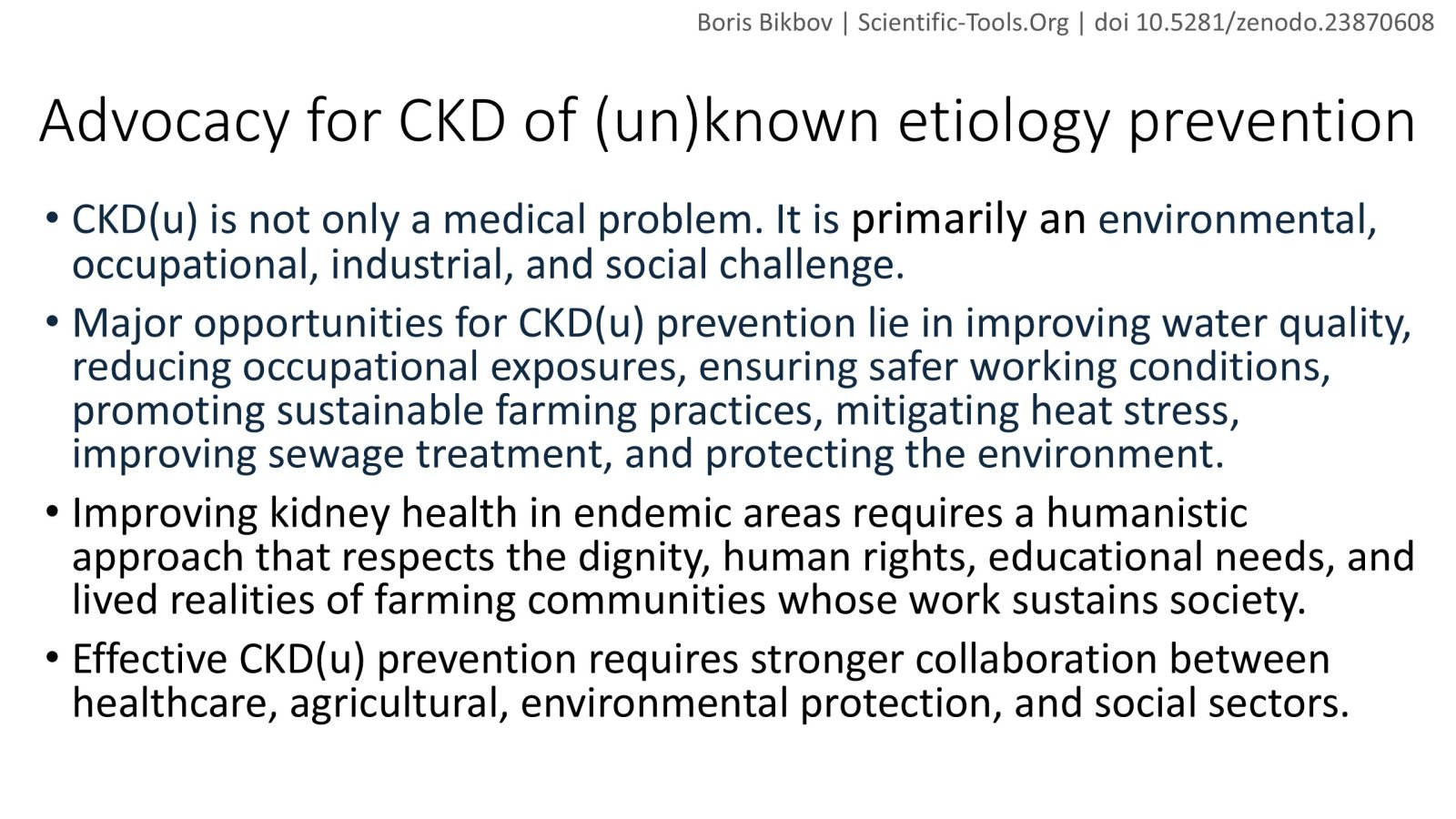
Some of our greatest opportunities for prevention lie outside traditional clinical medicine. They include improving drinking water quality, reducing occupational exposures, mitigating heat stress, ensuring safer working conditions, promoting sustainable agricultural practices, improving waste and sewage management, and strengthening environmental protection.
But beyond these technical interventions, we also need a more humanistic and holistic approach. We must recognize the dignity, rights, educational needs, and lived realities of farming communities whose work sustains our societies.
Effective prevention requires much stronger collaboration between healthcare professionals, agricultural authorities, environmental agencies, engineers, policymakers, and social services.
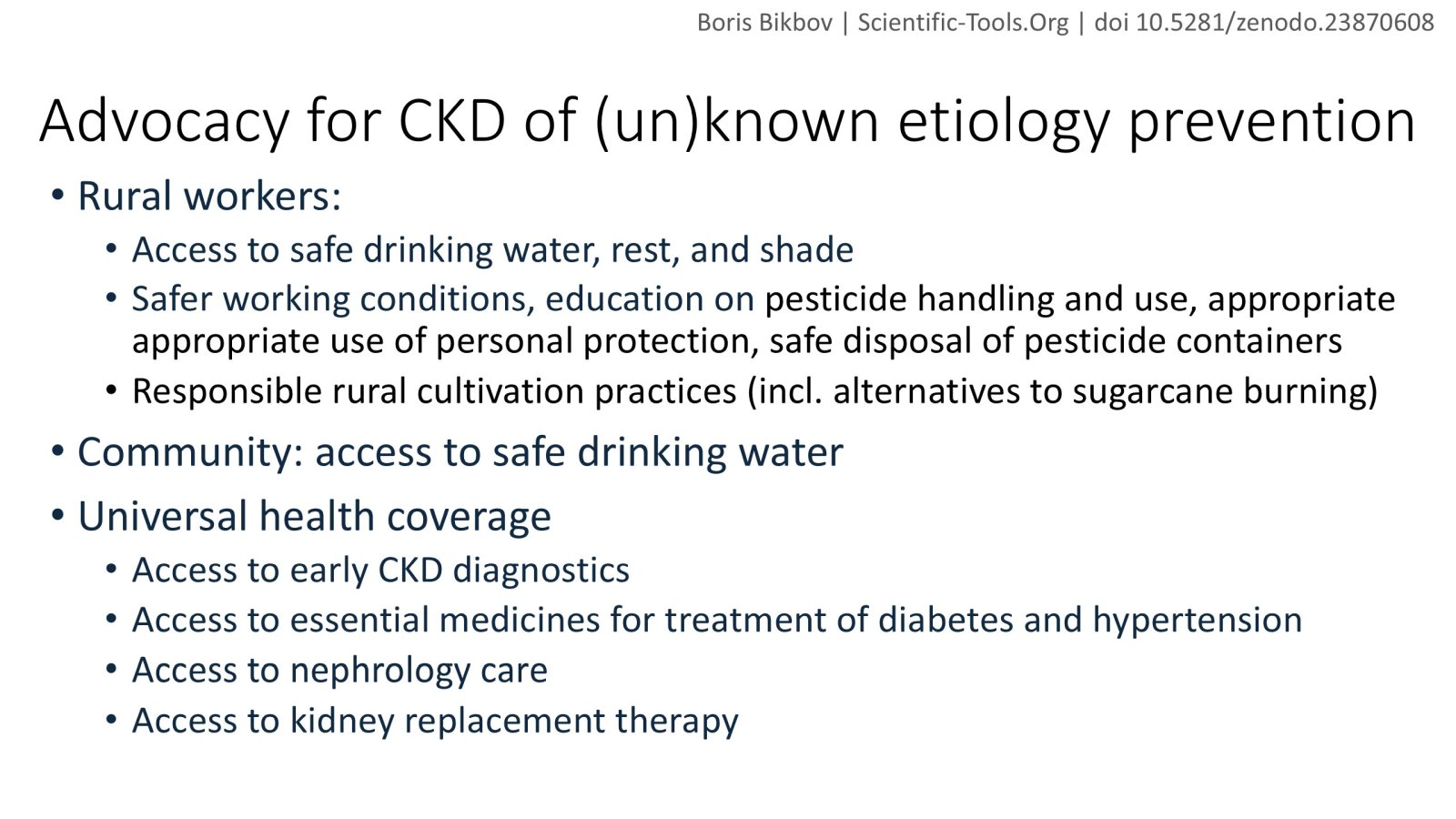
On this final slide, I would like to highlight three essential pillars of CKD prevention in endemic areas.
The first pillar is protecting rural workers. These individuals are often exposed to extreme heat, dehydration, pesticides, and other occupational hazards. They need access to safe drinking water, rest, shade, protective equipment, education, and safer working conditions.
The second pillar is protecting entire communities. We must ensure access to safe drinking water and healthier living environments, because environmental exposures do not stop at the workplace. Women, children, older adults, and people, including those with chronic kidney disease of other etiologies, may also be affected.
And the third pillar is strengthening healthcare systems. This includes universal health coverage, access to early CKD detection and diagnosis, essential medicines for diabetes and hypertension, nephrology care, and kidney replacement therapy when needed.
These three pillars are interconnected, and none can be neglected.
My final message is that we need to move beyond the boundaries of nephrology. Even beyond the broader cardiovascular, kidney, and metabolic health framework, we must engage with sectors that are not traditionally part of our professional community. We need to communicate with ministries, environmental agencies, agricultural organizations, employers, policymakers, and, most importantly, the people who live and work in affected communities.
Because our ultimate goal should not be only to diagnose and treat kidney disease, but to prevent it whenever possible. We may not yet know every cause of CKDu, but we already know enough to begin protecting the people at risk.
Thank you very much for your attention.
Related Posts


Comments (0)